An art of value only to the extent that Japanese culture speaks to us!
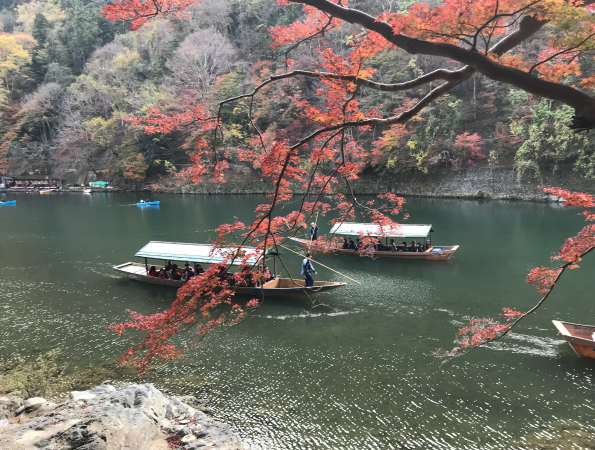
It is fostered by the cycle of four seasons. As the seasons change,
so do the landscape and the way of lifestyle.
The characteristic scenery of each season is deeply put in the hearts and lives of Japanese people since the ancient times.
Shrine
It is a symbol of Japanese indigenous religion, Shintoism.
Japanese Temple
Temple are the places of workshop in Japanese Buddhism
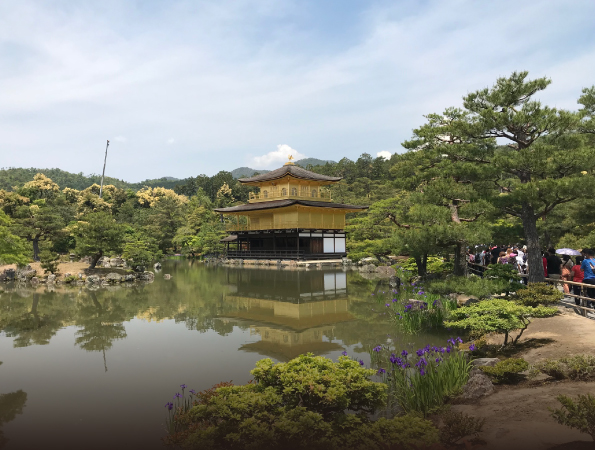
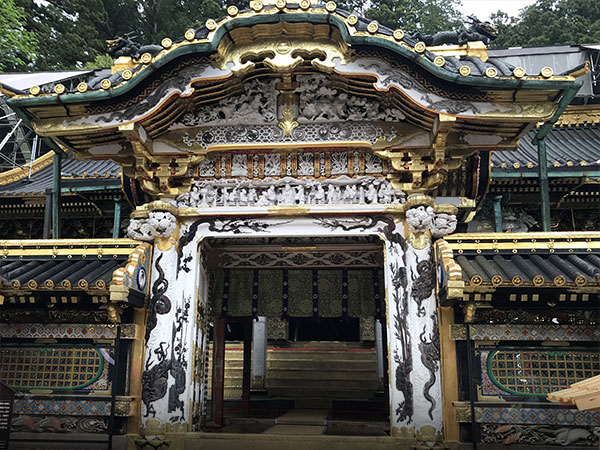
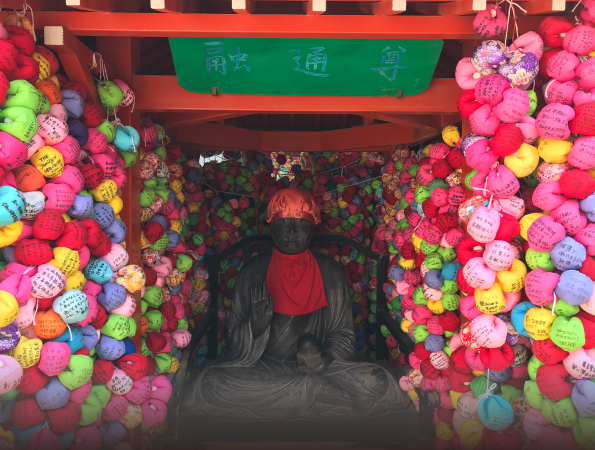
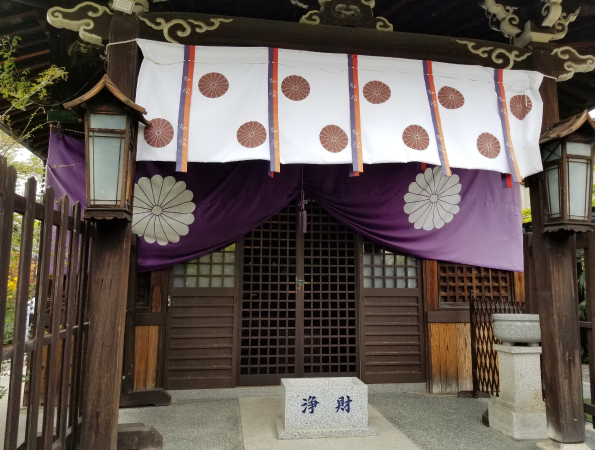
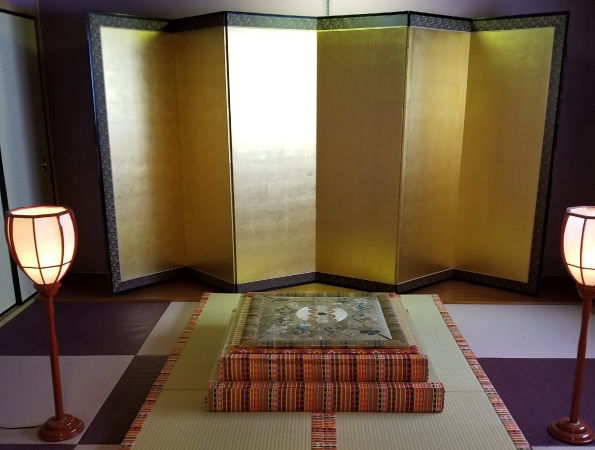
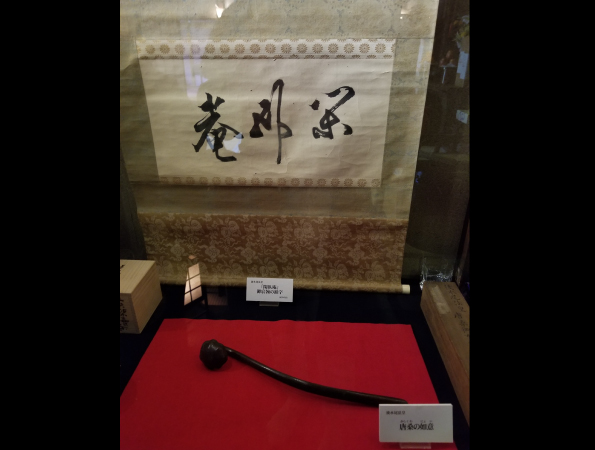
Japanese Emperor Temple
Since 6 century Our Emperor accepted Buddhism and also their some temple in Japan.

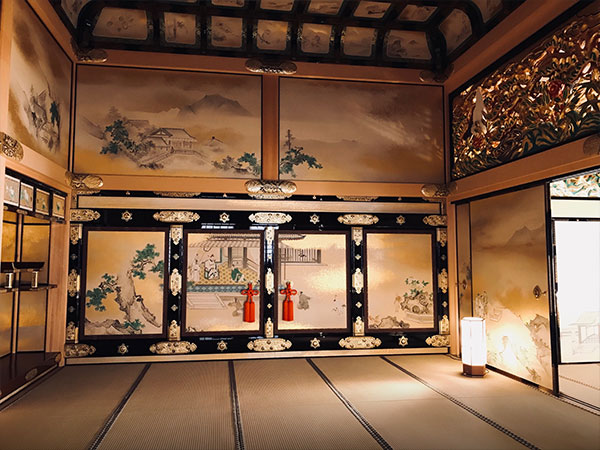
Japanese Casle
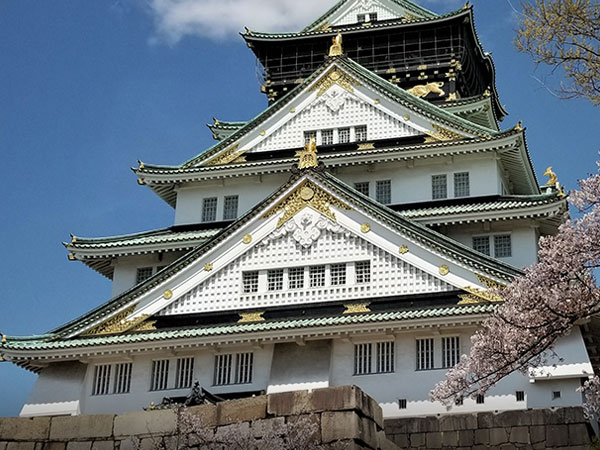
Japanese castle were originally fortresses and Castle were symbols of power in 16 cencury of Samurai preiod

Japanese Gardens
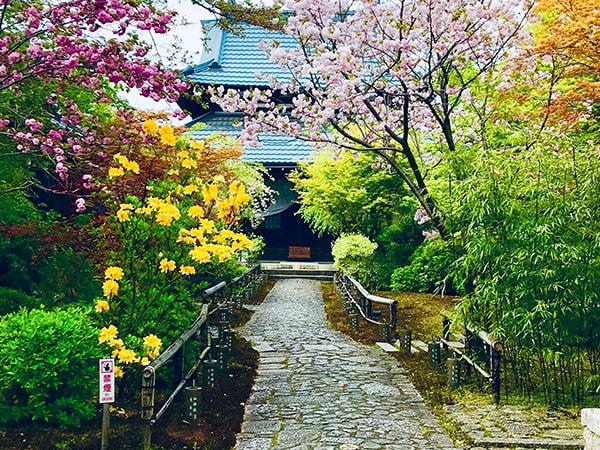
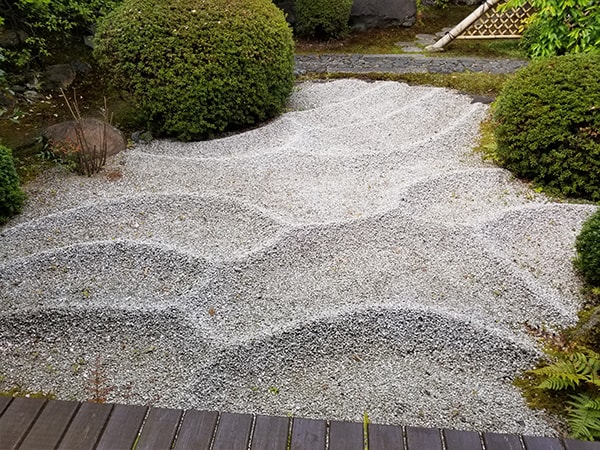
The Japanese gardens are home to well-manicured trees that have been for over several years.
Some gardens have a waterside resting arbor that seems to float above the ponds.
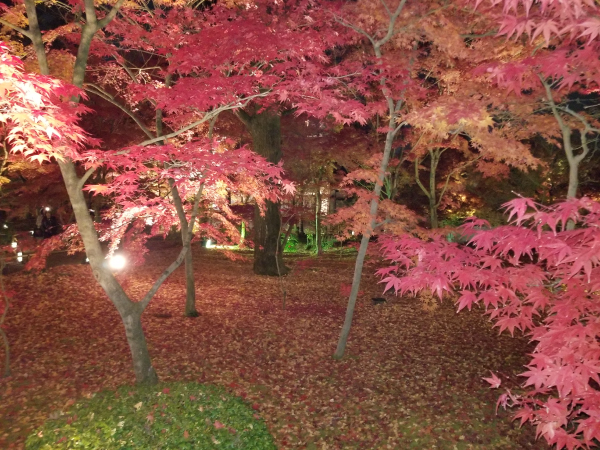
That’s not it. Its rich history, Carp ponds,
cherry trees and fall foliage make for some of the best seasonal views. It’s going to be a treat your eyes and souls.
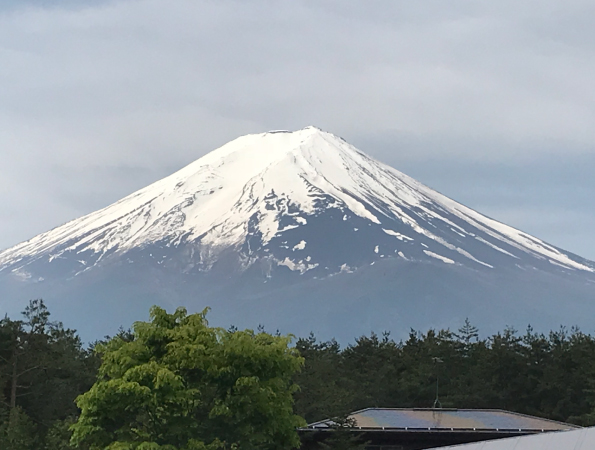
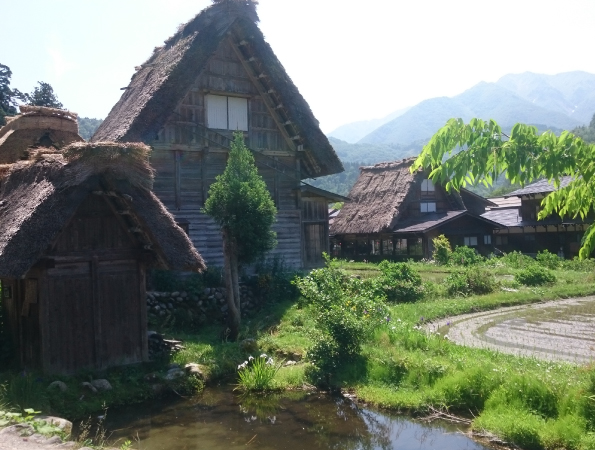
Japanese Nature (World Heritage)
It is able to get back to wonderful nature ,world herritage in Japan.thanks to the distinctive cycle of four seasons.
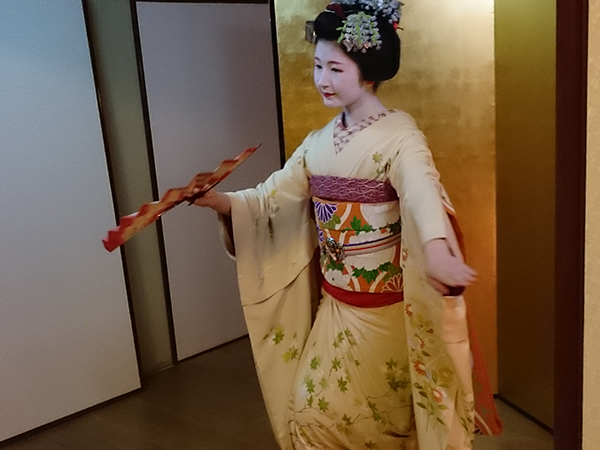
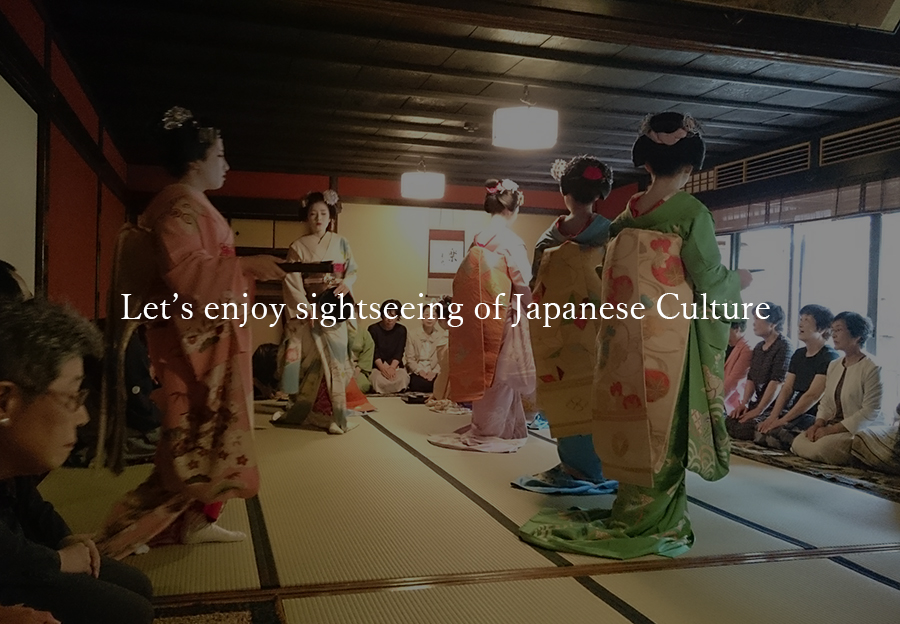
Maiko Odori
“Maiko” is an apprentice. “Geiko” is an artisan of performing traditional dancing, singing,
playing instruments. Geiko” (in Kyoto geisha are called “Geiko”) dancers in beautifully ornate dress.
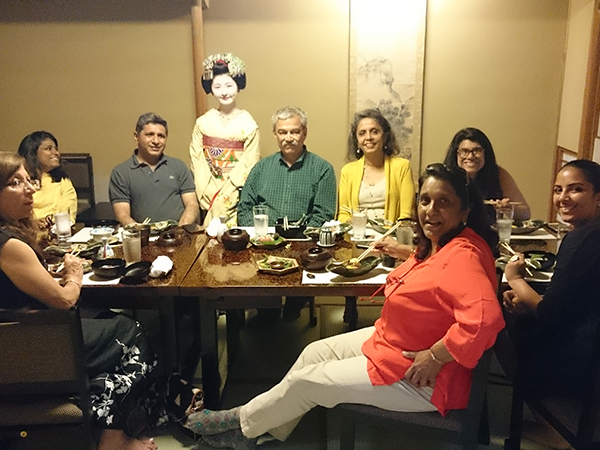
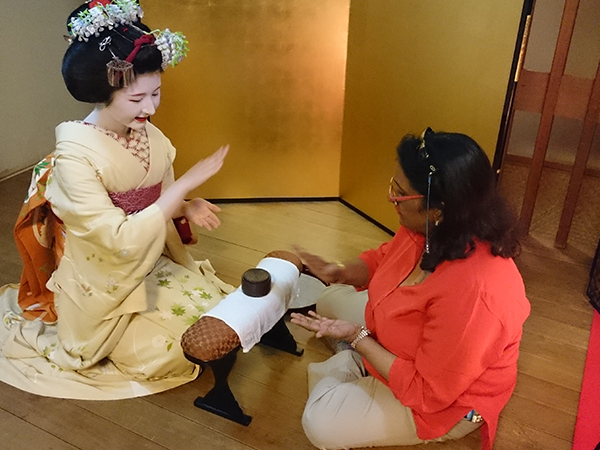
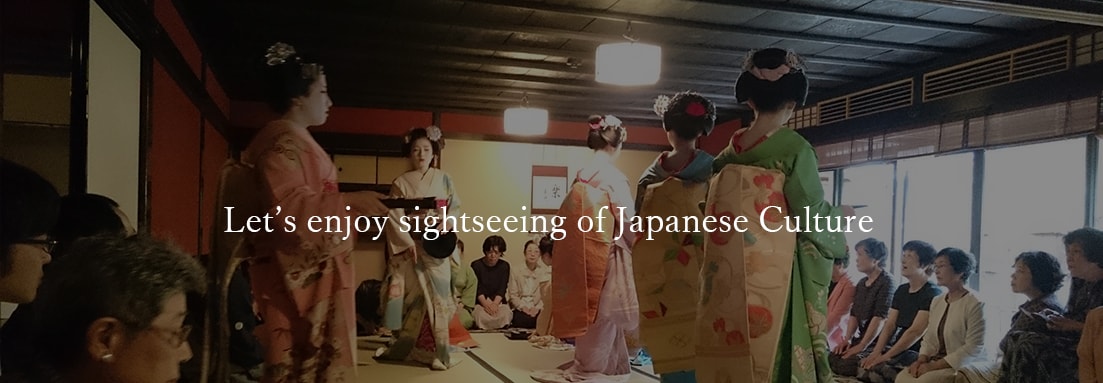
Maiko Odori (Kyo-Mai performances by maiko) can be enjoyed at the special places we arrange.